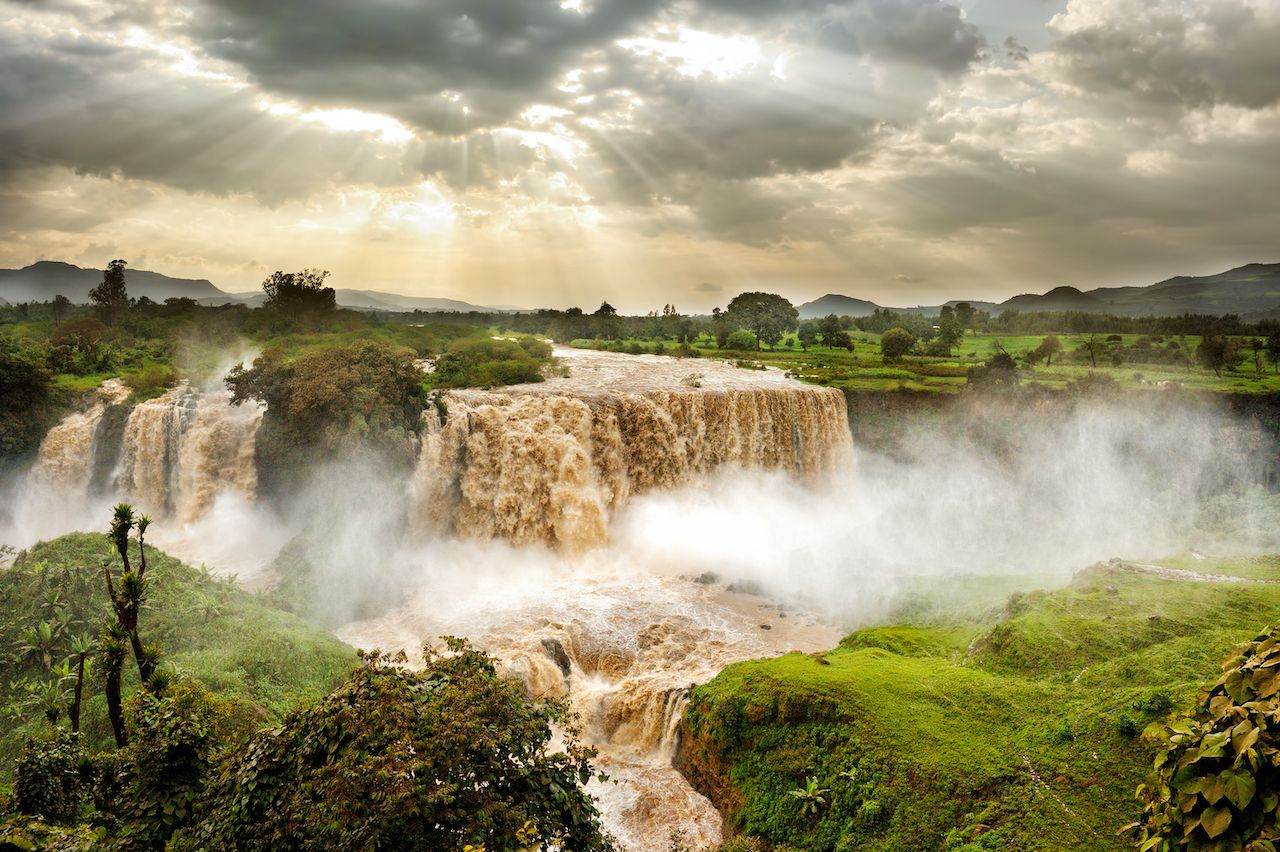
Ethiopian Landscape
Amazing Ethiopia Tours

Ethiopia Travel
FAQ

Your go-to resource for planning an unforgettable journey to one of Africa’s most culturally rich and diverse destinations.

Plan Your Journey with Confidence

Welcome to our Ethiopia Travel FAQ! This guide is your go-to resource for planning an unforgettable journey to one of Africa’s most culturally rich and diverse destinations. From the ancient rock-hewn churches of Lalibela to the vibrant tribal markets of the Omo Valley and the otherworldly landscapes of the Danakil Depression, Ethiopia offers a tapestry of history, culture, and natural beauty.

Below, we’ve answered the most common questions to help you navigate visas, health precautions, cultural etiquette, and more. Whether you’re trekking in the Simien Mountains or savoring a traditional coffee ceremony, our goal is to ensure your trip is seamless, respectful, and immersive. If you have additional questions, don’t hesitate to reach out for personalized advice!
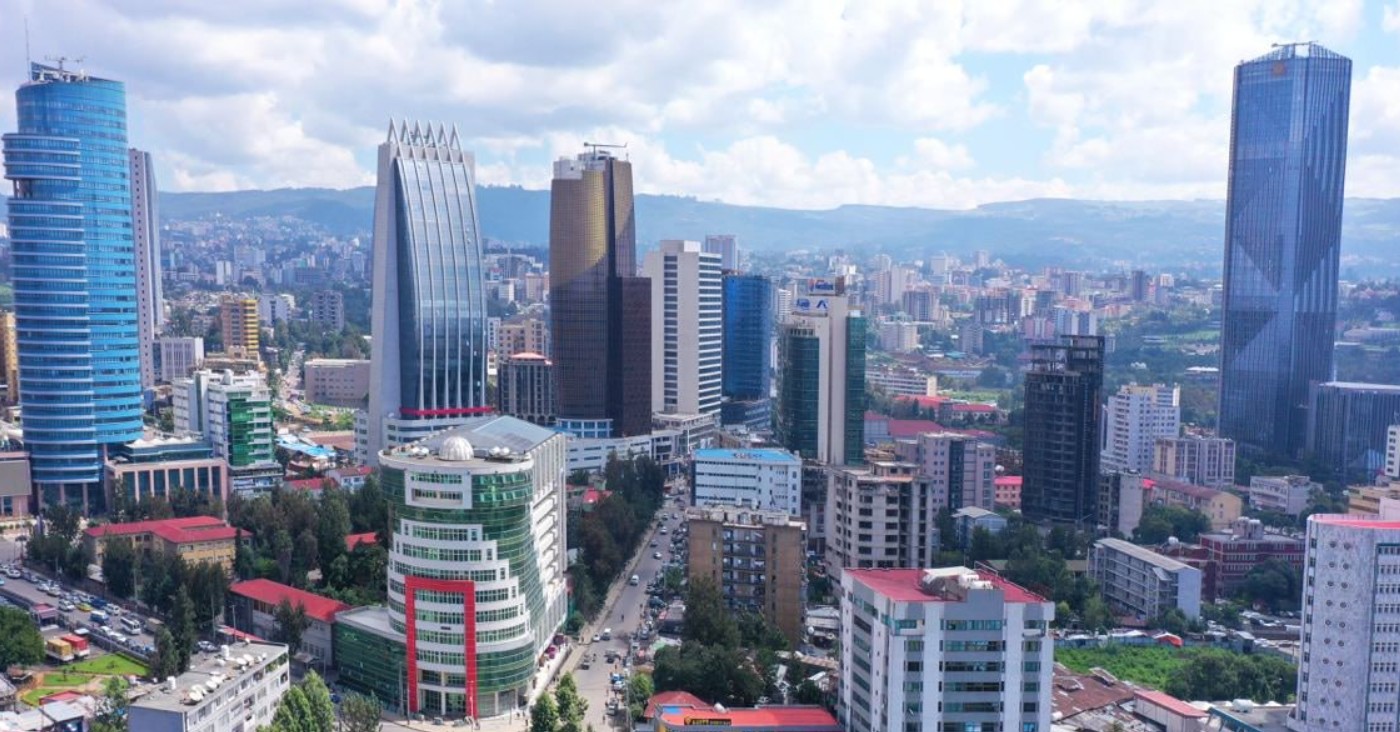
Travel Preparation

Frequently Asked Questions

No answers found for your search. Please try a different term or contact our team.

The dry season, from October to February, is the best time to visit Ethiopia, with pleasant temperatures of 15–25°C in the highlands and manageable heat of 30–40°C in the Danakil Depression. Clear skies make it ideal for trekking in the Simien Mountains and exploring the South Omo Valley, as roads are more accessible. The wet season (June–September) brings lush greenery but muddy roads, particularly in southern regions, which can complicate travel. April–May rains may also disrupt plans. For cultural immersion, time your visit for festivals like Timkat (January) or Meskel (September) to experience vibrant Orthodox Christian celebrations.
Most nationalities require a visa to enter Ethiopia. Travelers from 33 countries, including the USA, UK, Canada, and Australia, can obtain a 30-day visa on arrival at Bole International Airport in Addis Ababa for $50. Alternatively, e-visas are available via evisa.gov.et, offering a convenient online application process. For other nationalities or stays longer than 30 days, apply in advance at an Ethiopian embassy. Always verify current visa policies before travel, as regulations can change.
A yellow fever vaccination certificate is mandatory for entry, and cholera vaccination may be required if transiting through affected areas. Hepatitis A, typhoid, and malaria prophylaxis are highly recommended, particularly for lowland areas like the Omo Valley and Rift Valley Lakes, where malaria risk is high below 2,000 meters. Drink only bottled or filtered water, avoid raw foods in rural areas, and use DEET-based mosquito repellent and nets. Pack a medical kit with antimalarials, antidiarrheals, and bandages, as rural healthcare is limited. Travel insurance with medical evacuation coverage is essential.
Domestic flights via Ethiopian Airlines are the most reliable way to cover long distances, connecting Addis Ababa to destinations like Axum, Lalibela, and Gondar. For remote areas like the South Omo Valley or Danakil Depression, guided tours with 4x4 vehicles are recommended due to rough, often unpaved roads. Private buses serve intercity routes, but for safety and convenience, opt for guided tours. If driving, an International Driving Permit is required; Ethiopia drives on the right. Always check road conditions, especially during the rainy season.
Ethiopia is generally safe for tourists in popular areas like Addis Ababa, Lalibela, and Gondar. However, exercise caution: avoid isolated areas in Addis at night and watch for pickpockets in crowded markets like Merkato. The Danakil Depression requires armed escorts due to its proximity to the Eritrean border, though incidents are rare. Check travel advisories for border regions near Eritrea, Somalia, and South Sudan, where risks are higher. Register with your embassy and carry emergency contacts for added security.
Internet is reliable in Addis Ababa with 4G available through Ethio Telecom SIM cards, but connectivity is limited or absent in rural areas like the Omo Valley or Simien National Park. Wi-Fi is available in upscale city hotels. Power outages are frequent outside Addis, so carry a power bank. Ethiopia uses 220V, 50Hz electricity with Type C/F (round two-pin) sockets—bring adapters. Plan for limited connectivity in remote areas by downloading offline maps or guides.
Ethiopia’s conservative culture, rooted in Orthodox Christianity, Islam, and tribal traditions, values modesty and respect. Dress conservatively, covering shoulders and knees, especially in churches, mosques, and tribal areas. Remove shoes before entering religious sites and seek permission before photographing rituals. In the Omo Valley, photography often requires consent and a small fee (5–10 Birr per photo). Learn basic Amharic greetings like “Selam” (hello) to build rapport. Avoid giving gifts directly to children to prevent dependency; instead, support communities through local guides or NGOs.
Ethiopia’s cultural heritage is vibrant and diverse. Participate in a traditional coffee ceremony, a one-hour ritual of roasting and brewing that embodies Ethiopian hospitality and the country’s coffee legacy. Enjoy injera, a teff-based flatbread served with stews like doro wat, especially during Orthodox fasting periods when vegetarian options abound. Attend festivals like Timkat (Epiphany) in January for colorful processions or visit Harar for the unique hyena-feeding tradition. In the Omo Valley, explore markets like Turmi’s to witness tribal customs, such as the Hamar bull-jumping ceremony, while engaging respectfully.
Ethiopia’s cultural and natural treasures require careful preservation. Hire local guides and stay in eco-lodges like Jinka Eco-Lodge or Limalimo Lodge to support communities. Use reusable water bottles, avoid single-use plastics, and stick to marked trails in parks like Simien National Park to protect ecosystems. In the Omo Valley, choose ethical tours that respect tribal customs and avoid exploitative photography. Learn about challenges like the Gibe III Dam’s impact on Omo tribes and support organizations like Survival International or the Ethiopian Wildlife Conservation Authority to preserve Ethiopia’s heritage.
The Ethiopian Birr (ETB) is the official currency (100 cents = 1 Birr). Exchange USD, EUR, or GBP at banks or authorized hotels in Addis Ababa; high-denomination, post-1999 USD notes fetch better rates. ATMs are available in cities but scarce in rural areas, so carry enough cash for remote destinations like the Omo Valley or Danakil. Credit cards are accepted only in upscale Addis hotels, so rely on cash for most transactions. Tipping guides and drivers (10–15% of service cost) is appreciated but not mandatory.
Ethiopia boasts a range of must-see destinations. Explore Lalibela’s 11 rock-hewn churches, a UNESCO World Heritage Site and a pinnacle of Orthodox Christian architecture. Trek in the Simien Mountains National Park for stunning landscapes and endemic wildlife like the gelada baboon. Visit Axum, the ancient capital with its mysterious stelae and historical ties to the Queen of Sheba. The Danakil Depression offers surreal volcanic landscapes, while the Omo Valley showcases diverse tribal cultures. In Harar, wander the walled city’s vibrant markets and mosques, a hub of Islamic heritage.
Pack lightweight, breathable clothing for warm lowlands and layers for cooler highlands (nights can drop to 5°C). Include sturdy hiking boots for trekking, a hat and sunglasses for sun protection, and modest clothing for cultural sites. Bring a reusable water bottle, DEET-based repellent, a basic medical kit, and a power bank. A universal adapter (Type C/F) is essential. For photography, pack a good camera, extra batteries, and memory cards, as charging opportunities may be limited in remote areas. Carry a lightweight rain jacket for unexpected showers, even in the dry season.
Amharic is the primary working language, but English is widely spoken in tourist areas and by guides. In the Omo Valley, tribal languages dominate, so rely on local guides for translation. Learn basic Amharic phrases like “Amesegnalew” (thank you) to connect with locals. Ethio Telecom SIM cards provide affordable mobile data in cities, but signal drops in rural areas. Carry a phrasebook or download an offline translation app like Google Translate for remote travel.
Ethiopian cuisine is flavorful and unique, centered around injera, a spongy teff-based flatbread served with stews (wat) like doro wat (spicy chicken) or shiro (chickpea stew). Vegetarian options are abundant, especially during Orthodox fasting periods. Try tibs (grilled meat) or kitfo (raw or lightly cooked minced beef) in urban restaurants. Coffee is a cultural staple, often served with popcorn during ceremonies. In rural areas, food is simple, so carry snacks like nuts or energy bars. Be cautious with street food to avoid stomach issues.

Ready to start your
journey?

Now that you have your questions answered, let's get your adventure planned and confirmed! Connect with our local experts today.