Acidic hot springs, active volcanoes, and vast salt pans. Prepare yourself for an expedition to the hottest, lowest, and most otherworldly place on planet Earth.
Located in the remote Afar Region of northeastern Ethiopia, the Danakil Depression is a geological marvel forged by extreme tectonic activity. As three tectonic plates—the African, Somali, and Arabian plates—slowly tear apart, they have created a sunken rift valley that drops to more than 100 meters below sea level. Temperatures here routinely soar past 50°C (122°F), making it officially one of the hottest, most inhospitable environments on the planet year-round.
Yet, despite its brutal extremes, the Danakil is utterly mesmerizing. It is a place of stark, violent beauty that feels entirely alien, drawing the most intrepid adventurers from around the globe to witness its raw, primordial power.
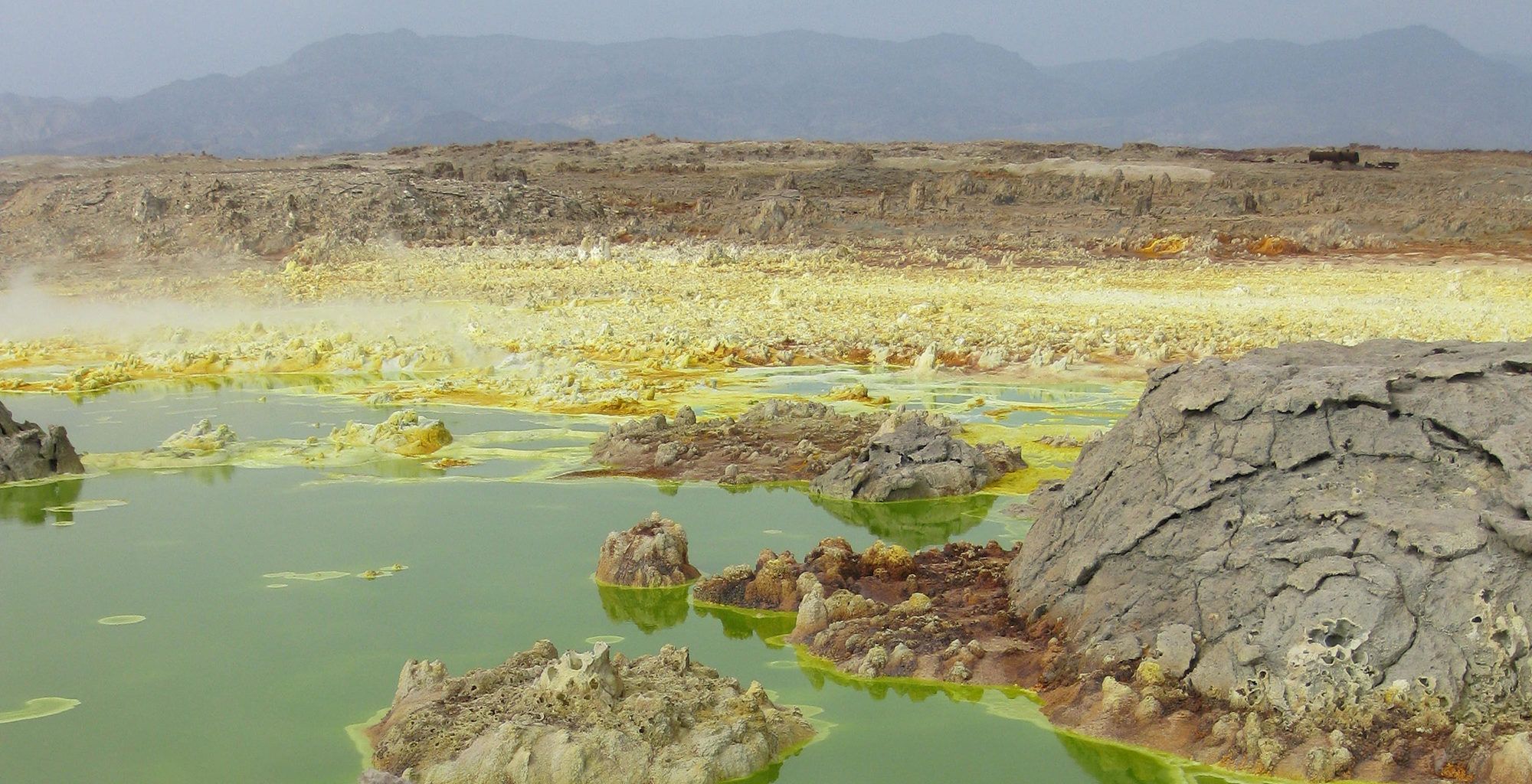
The Neon Springs of Dallol
The crown jewel of the Danakil's bizarre landscape is Dallol. Here, groundwater heated by magma deep within the earth rises to the surface, dissolving vast deposits of salt, potash, and other minerals along the way. The result is a sprawling, bubbling hydrothermal field painted in blinding neon yellows, vibrant greens, and rusted oranges.
Walking through Dallol is like navigating a chemical wonderland. Fragile salt crusts crunch underfoot, and the air hangs heavy with the acrid scent of sulfur. The landscape changes constantly; geysers form, erupt, and die out within days as the delicate mineral structures collapse and rebuild themselves.
To stand in Dallol is to stand on the surface of Io or Venus. It is a beautiful, toxic masterpiece painted by the earth's rawest elements.
The Gateway to Hell: Erta Ale
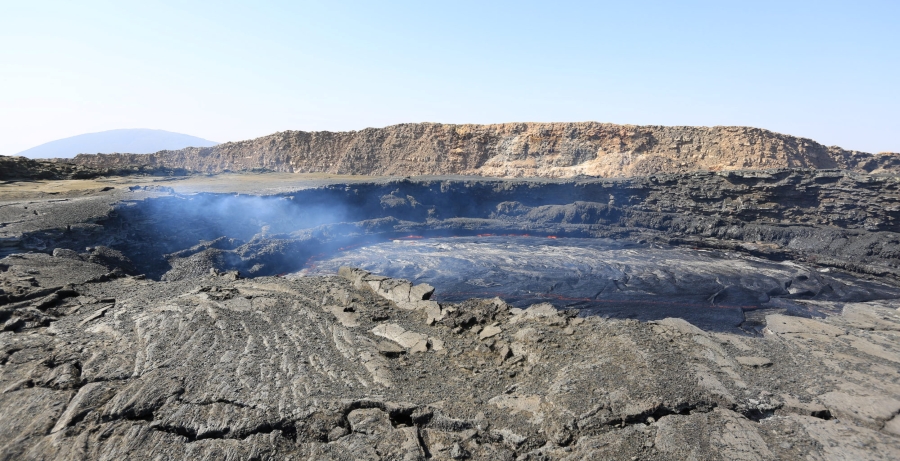
A stark contrast to the colorful flats of Dallol is Erta Ale, an active basaltic shield volcano that has been continuously erupting since at least 1967. Translating to "Smoking Mountain" in the local Afar language, Erta Ale holds one of the world's very few persistent lava lakes.
Because daytime temperatures make hiking nearly impossible, the trek to the caldera begins at dusk. As you hike up the gentle, craggy slopes in the dark, the sky slowly begins to glow red. Standing on the crater rim in the dead of night, watching the molten rock violently churn, crack, and splatter, is a profoundly humbling reminder of the immense forces operating beneath the earth's crust.
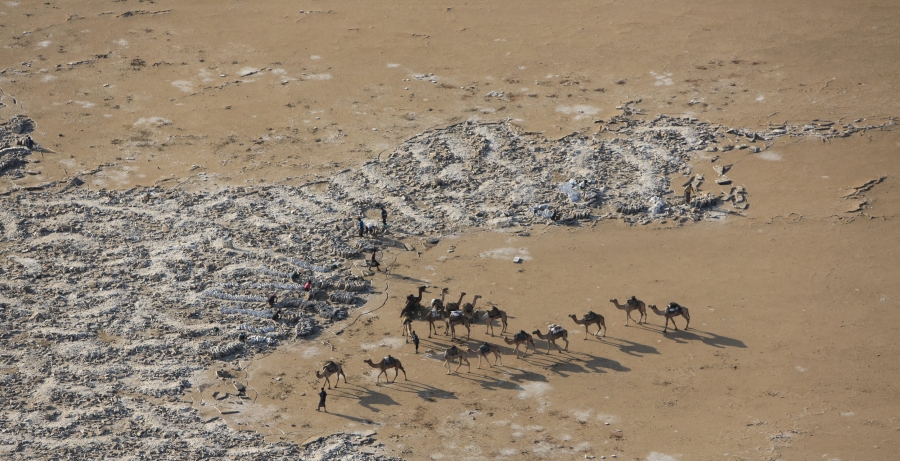
The Salt Miners and Camel Caravans
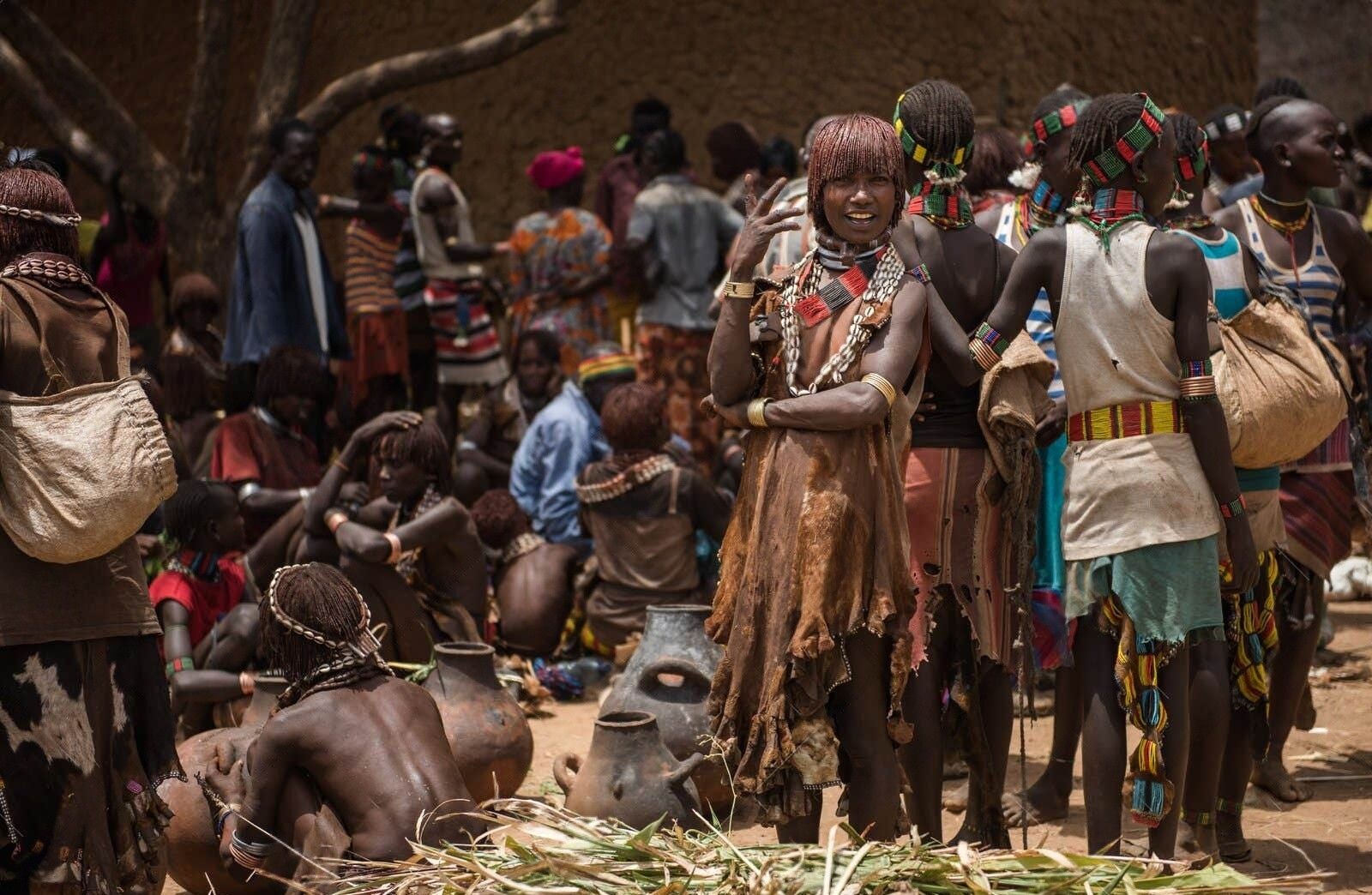
Beyond the surreal geology, the Danakil is home to the Afar people, a fiercely proud nomadic community who have managed to thrive in this unforgiving environment for centuries. At the vast, blindingly white salt pans of Lake Karum, you can witness the ancient, grueling trade of salt mining.
Using rudimentary tools, Afar and Tigrayan miners chop the hardened salt crust into uniform rectangular blocks known as amole. These blocks are then loaded onto seemingly endless camel caravans. These caravans journey for days up the steep escarpments to the highland markets of Mekelle, preserving a vital trade route that has remained virtually unchanged for millennia.
Visiting the Danakil Depression is an expedition, not a tour. It requires a convoy of sturdy 4x4 vehicles, armed escorts, and an expert local crew to navigate the complete lack of roads and the extreme conditions. But for those willing to brave the heat and the dust, the Danakil offers the adventure of a lifetime.