Cradle of Civilization
Axum was once ranked alongside Rome, Persia, and China as one of the four great powers of the ancient world. Dominating the crucial trade routes between the Roman Empire and Ancient India, the Aksumite Kingdom flourished for centuries, leaving behind a legacy carved in stone and shrouded in profound religious mystery.
Today, Axum is the spiritual heartbeat of Ethiopia. It is a city where history and faith blur seamlessly. From the breathtaking monolithic obelisks that mark the tombs of ancient royalty, to the heavily guarded chapel said to house the Biblical Ark of the Covenant, every stone tells a story of unparalleled antiquity and imperial glory. Just beyond the city limits, the awe-inspiring rock-hewn churches of Tigray, carved into sheer sandstone cliffs, await those brave enough to scale the heights.
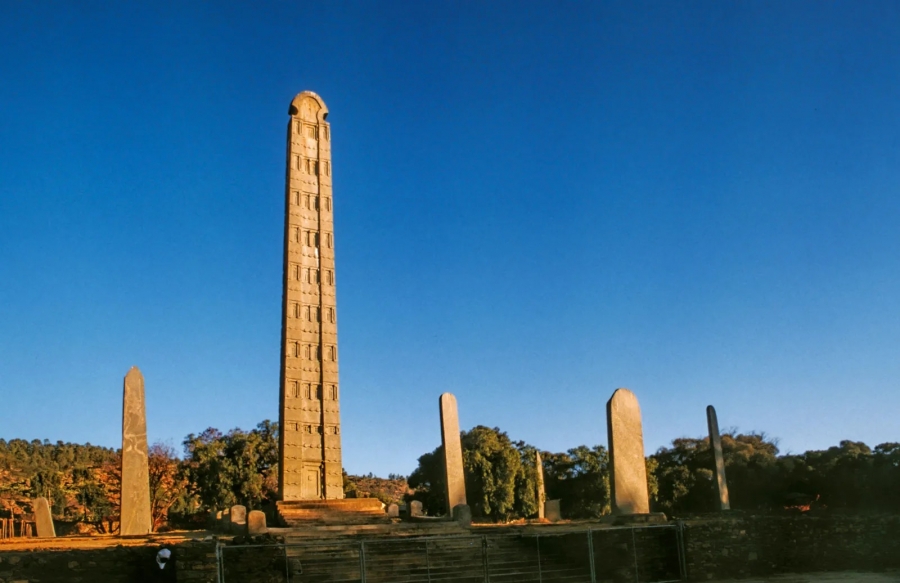
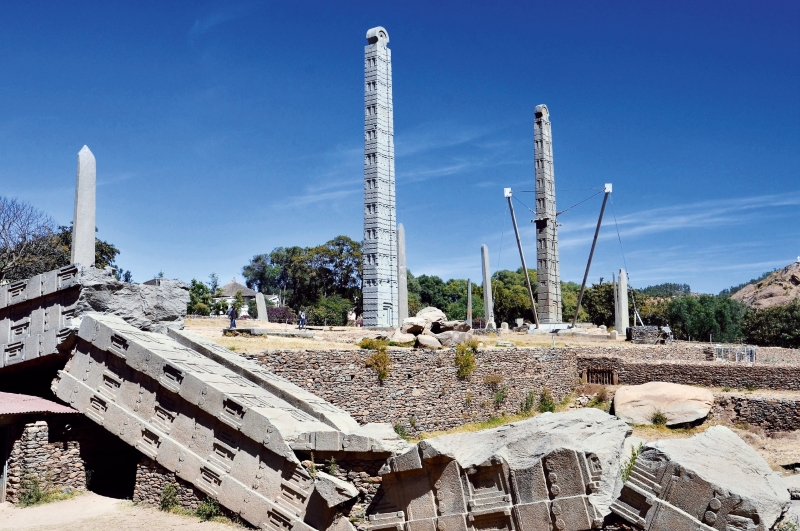
The Northern Stelae Park
Click any image to explore the monumental architecture, sacred artifacts, and jaw-dropping cliffside sanctuaries that define the legacy of Northern Ethiopia.
The Great Obelisk of Axum
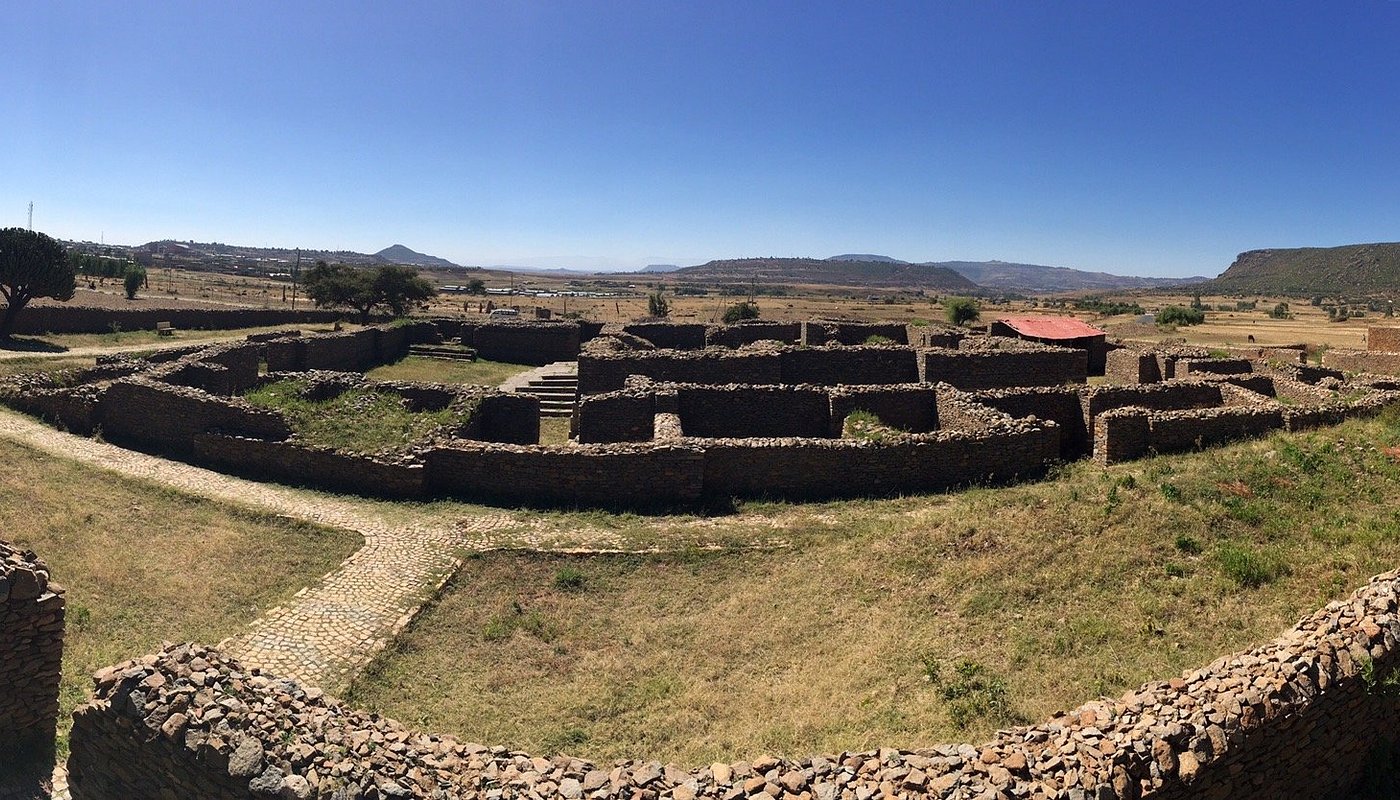
Ruins of Dongur (Palace of the Queen of Sheba)
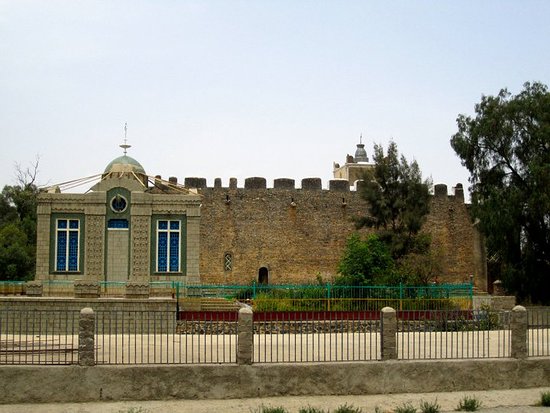
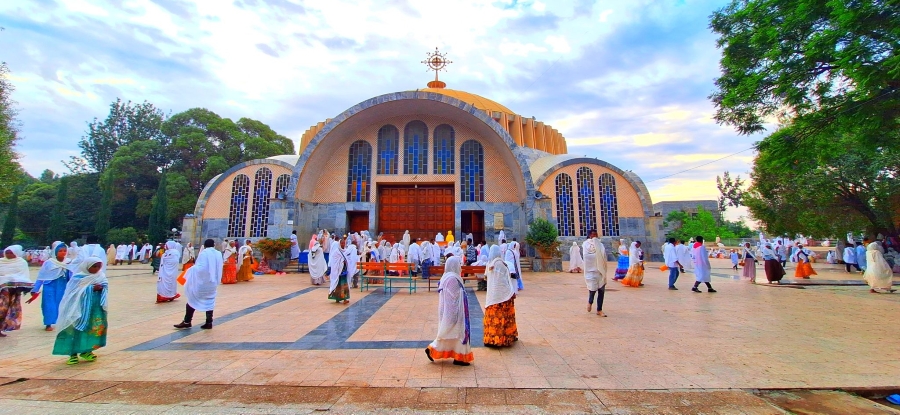
Church of Our Lady Mary of Zion
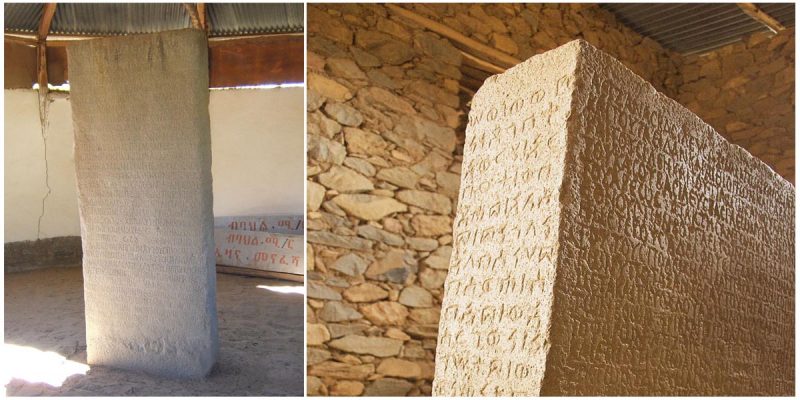
The Multilingual Ezana Stone
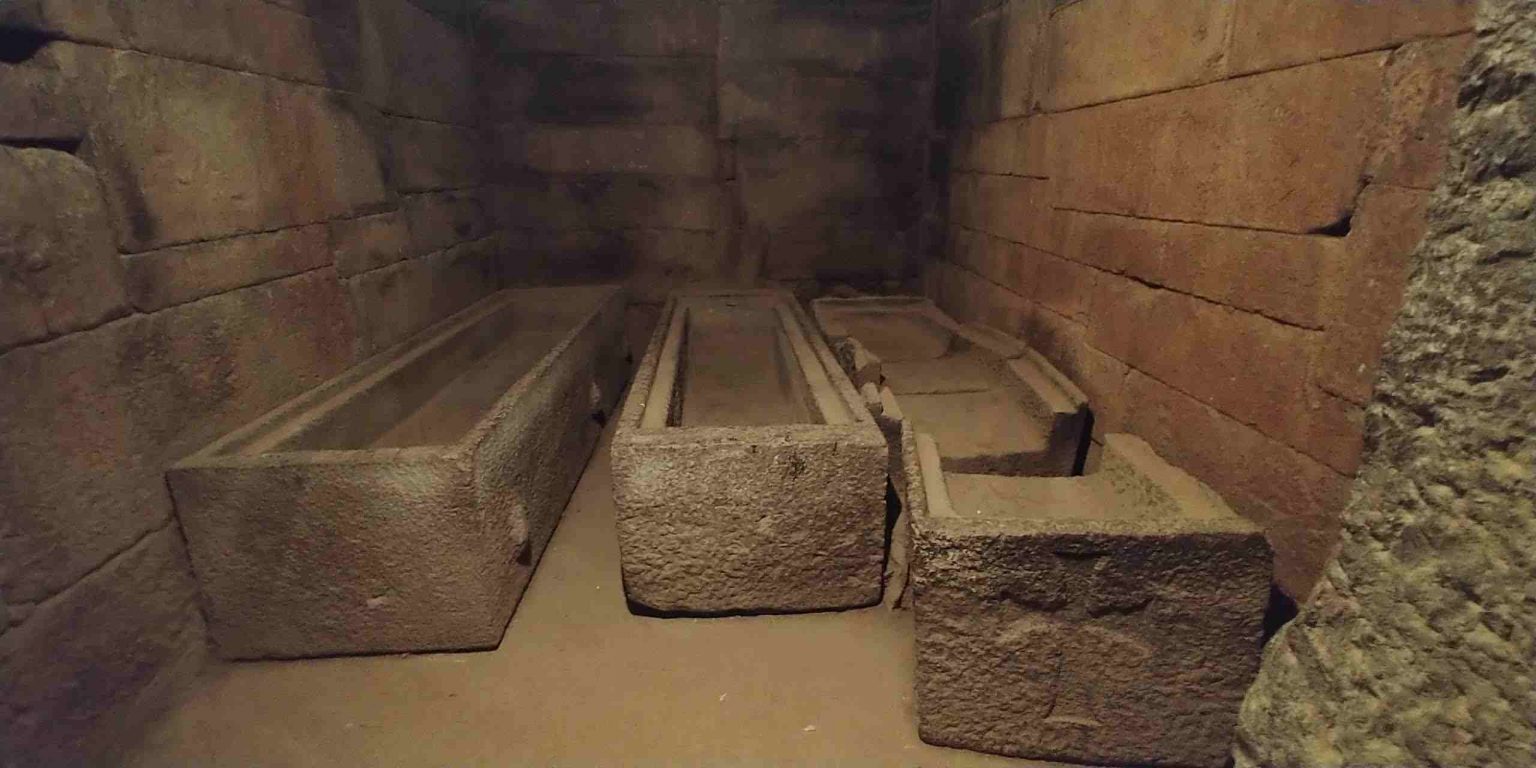
Subterranean Tombs of Ancient Kings
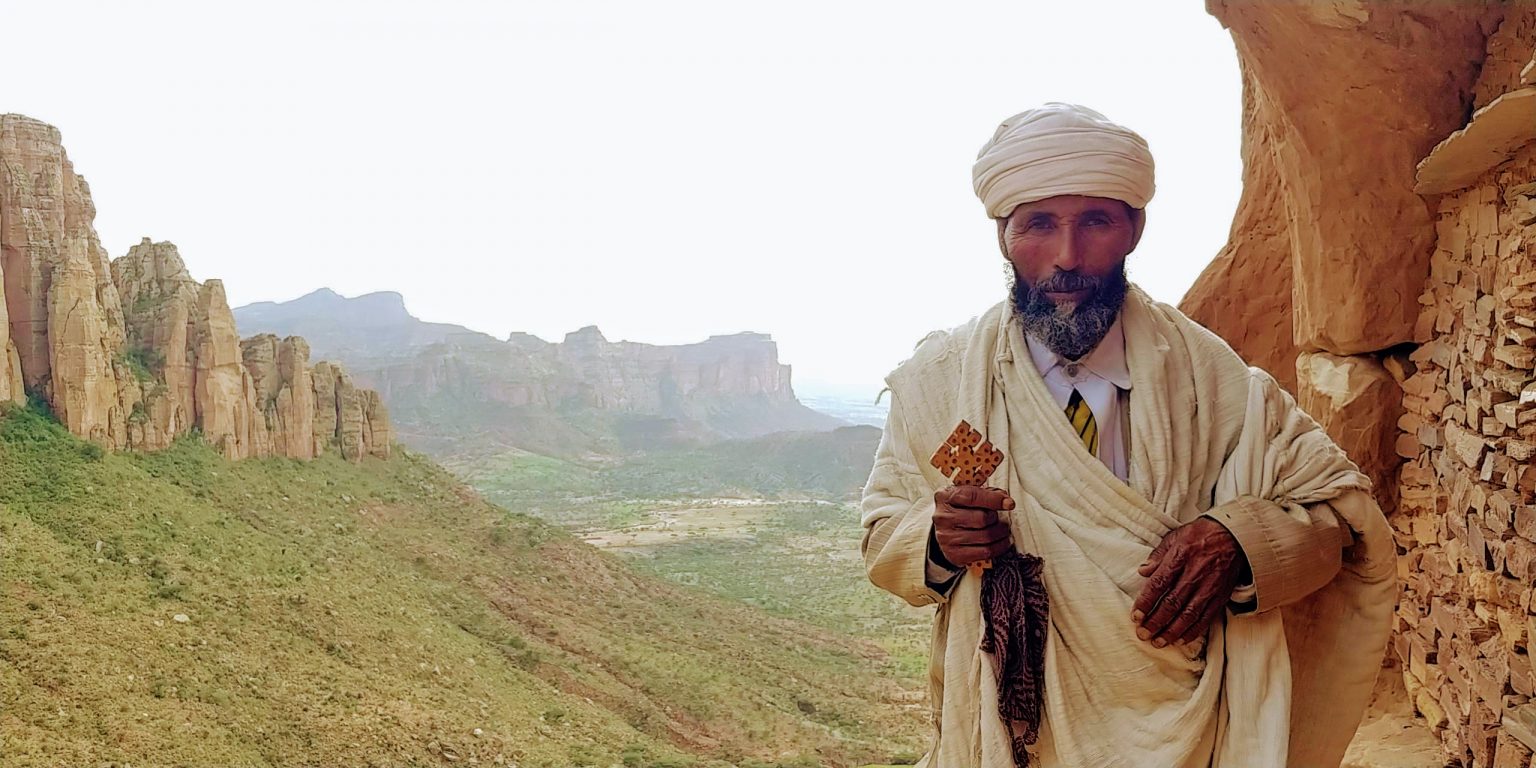
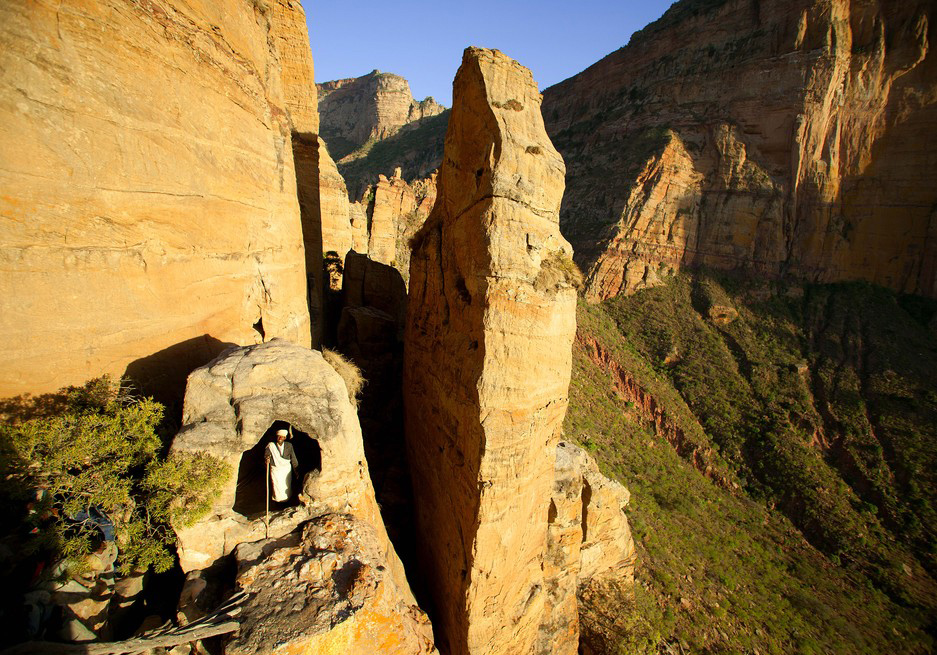
Scaling the cliffs to Abuna Yemata Guh
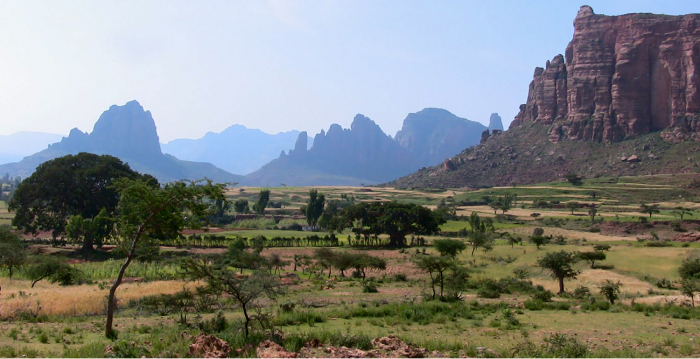
The Breathtaking Gheralta Massif
Mapping History
Explore the archaeological nexus of northern Ethiopia, from the pre-Aksumite temples to historic battlefields and ancient rock-hewn sanctuaries.
Highlights of the Region
Delve into the chronological majesty of a region where emperors were crowned, monuments were carved from solid granite, and hidden sanctuaries crown the highest peaks.
Obelisks & Royal Tombs
Begin your journey wandering among the colossal granite obelisks of the Northern Stelae Park. These towering monuments, intricately carved to resemble multi-story palaces with false doors and windows, mark the underground burial chambers of Aksumite royalty. The largest, King Ezana’s Stele, stands at 24 meters, while the fallen Great Stele represents one of the largest single pieces of stone ever quarried in human history.
St Mary of Zion Churches
Explore the compound of the Church of Our Lady Mary of Zion, the most sacred place in all of Ethiopia. Ethiopian emperors were crowned here for centuries. Adjacent to the old church is the guarded Chapel of the Tablet, which the Ethiopian Orthodox Church fiercely claims houses the original Ark of the Covenant, brought by Menelik I, the son of King Solomon and the Queen of Sheba.
Dongur Palace & The Ezana Stone
Walk the excavated foundations of the Dongur Palace, locally celebrated as the palace of the legendary Queen of Sheba. Nearby, read the Rosetta Stone of Africa: the Ezana Stone. Erected by King Ezana in the 4th century upon his conversion to Christianity, the stone features inscriptions in three ancient languages—Ge'ez, Sabaean, and Greek—documenting his vast conquests.
Ancient Temples & Battlefields
Extend your journey a short drive from Axum to witness the Temple of Yeha, a stunning structure dating back to 700 BC. Dedicated to the moon god Almaqah, it is Ethiopia's oldest standing building. On the return journey, traverse the jagged, spectacular mountains of Adwa, where Ethiopian forces famously defeated the Italian army in 1896, securing the nation's independence.
Gheralta Massif & Abuna Yemata Guh
Journey south from Axum into the spectacular landscapes of the Gheralta Massif. Here, towering sandstone pillars hide some of the world’s most inaccessible places of worship. Carved directly into the cliff faces between the 4th and 15th centuries, these rock-hewn churches require a thrilling hike and, in some cases, a vertical free-climb to reach. Inside, you are rewarded with pristine ancient frescoes, drum-beating monks, and panoramic views of the Tigray plains.
Axum & Tigray Expedition
Before You Travel
The ideal time to visit Axum and Tigray is from September to January, following the rainy season when the surrounding landscapes are lush green and the climate is pleasant.
Axum is Ethiopia's holiest city. Visitors must wear modest clothing when entering church compounds. Shoulders and knees should be covered, and women may be asked to cover their hair.
While Axum’s historical sites are easily accessible, the rock-hewn churches of the Gheralta Massif require a good level of physical fitness, proper hiking shoes, and a head for heights.
Photography is generally allowed at the Stelae Park and the Tigray Churches (without flash). However, it is strictly forbidden inside the St Mary of Zion museums and near the Chapel of the Tablet.
Journey into the heart of the ancient world. Let our expert guides lead you through the mysteries, myths, and monumental engineering of the great north.